
Labor and Delivery – What to Expect!
Call to Schedule your Appointment
For emergencies, please dial 911. Existing Patients may visit the Patient Portal for assistance. Hablamos Espanol. Llama y solicita un doctor/a que hable Espanol.
IV
We recommend all patients have an IV to allow us to intervene quickly if you or your baby show signs of stress, or if you experience excess bleeding. Please expect to have an IV placed when you are admitted. It will not need to be actively connected most of the time.
Fetal monitoring
Hospitals are required to do some fetal monitoring per policy.
-
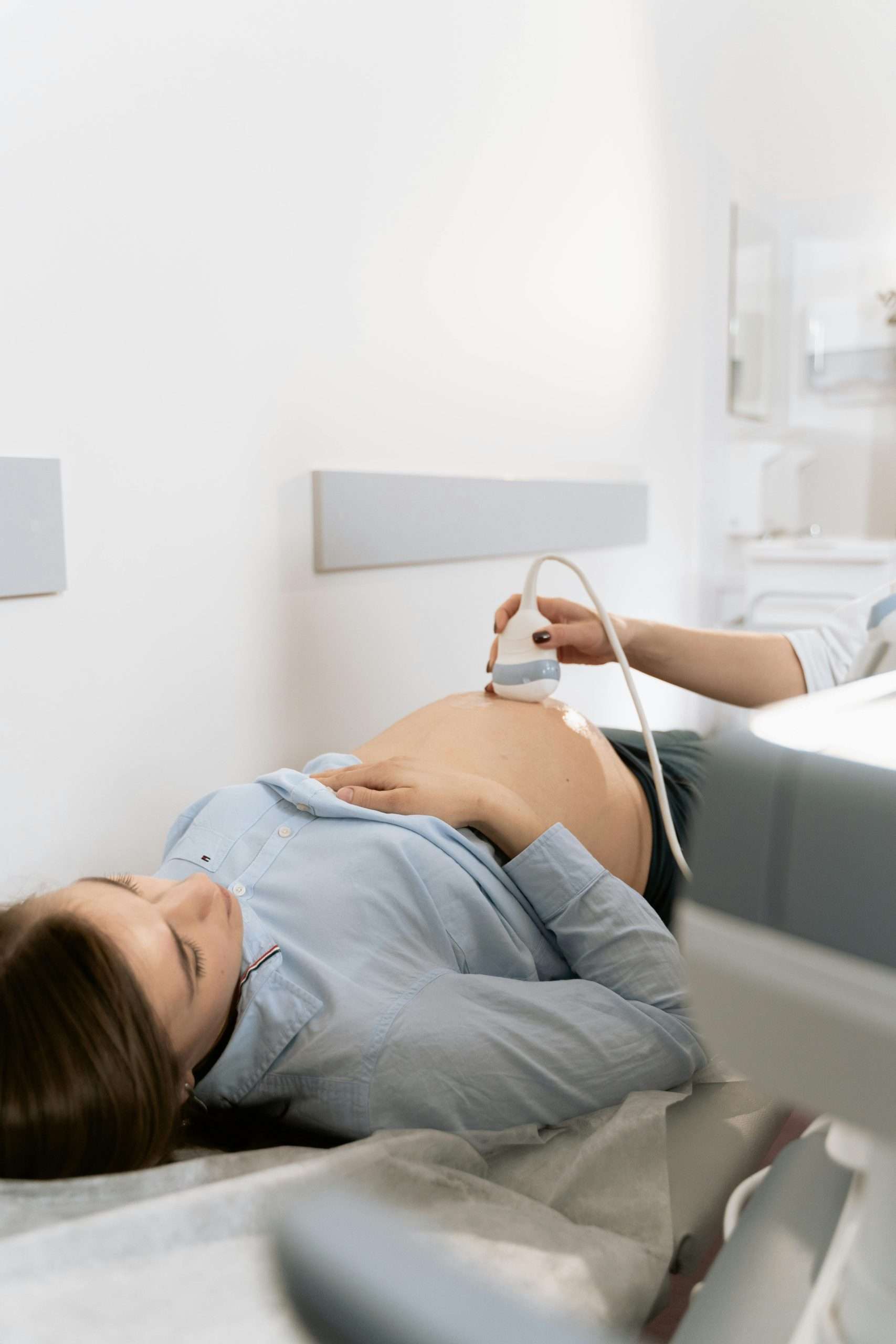
Fetal monitors help us assess your baby’s wellbeing. In normal labor, we can monitor intermittently. If you receive medications to induce or augment your labor, we monitor more so that we can adjust your medication and ensure your baby stays happy.
-
Monitors do not mean you cannot move around. Your nurse will work with you to monitor your baby in different positions, standing, or on a birth ball if you choose. We have some mobile monitors that can work while walking or in the bathtub as well.
-
If we need more accurate information, we sometimes use monitors that go inside the uterus instead of on your abdomen.
Induction of labor
-
You might be induced for your safety or the safety of your baby.
-
Common reasons for induction: high blood pressure, gestational diabetes, or concerns about baby’s growth.
-
If you are induced, we will give you medications to help your uterus contract. Your body will follow the same steps as it would in natural labor.
-
Induction is safe and does not increase the risk of c-section.
Click here to read more about labor induction.
Pain control
We support all approaches to pain management.
-
If you prefer to labor unmedicated, we will offer non-medical coping strategies.
-
IV narcotics lessen pain for approximately 30 minutes per dose, and can be given until 30 minutes before delivery.
-
Nitrous oxide can be breathed through a handheld mask and can alleviate anxiety associated with pain.
-
Epidurals are safe and provide the most complete pain relief. You will still feel some pain and pressure. Epidurals are available throughout labor and will last until delivery. While you can still move with an epidural, it is not safe to walk, so you will need to be in bed. You will have a catheter, and Anesthesia requests that you no longer eat solid food. Your baby will be continuously monitored after your epidural.
- Click here for more information on medication options during labor and delivery.
What if my baby seems stressed?
Pushing
Umbilical cord clamping
Studies have shown that waiting at least 30–60 seconds after birth for umbilical cord clamping is beneficial for babies, and this is our standard practice. We are happy to wait longer if requested and if you and your baby are both stable.
Click here to read more about recommendations for umbilical cord clamping for healthy infants.
Postpartum pitocin
It is standard of care to give a dose of IV pitocin after delivery to help the uterus contract to prevent hemorrhage (excess bleeding).
-
Is pitocin dangerous or bad for breastfeeding?
– No. It is a safe medication that is a synthetic version of one of our body’s naturally occurring hormones. -
Why is this important?
– Hemorrhage is the leading cause of maternal mortality worldwide (more women die or are harmed by heavy bleeding at delivery than any other delivery-related problem). -
Why not wait and treat only women who hemorrhage?
– If we wait until severe bleeding has already begun to start pitocin, you may need more medications and interventions to slow bleeding than if we had prevented it from starting. You might need a blood transfusion.
– Hemorrhage causes anemia (low blood counts) in moms. Anemia can decrease milk supply, increase depression, and may affect your ability to bond with and care for your baby.
Placental delivery
Our standard practice is to perform what is called “active management of the placenta.” This means we gently rub the abdomen over the uterus and put some traction on the cord to help the uterus release the placenta.
-
Why do we do this?
– Studies show that this approach reduces blood loss and hemorrhage.
– With active management, your placenta is much LESS likely to get stuck. -
What if the placenta does get stuck?
– If needed, your doctor may manually remove the placenta. Leaving any part of the placenta in the uterus leads to hemorrhage, either immediately or up to weeks later.
Laceration repair
C-sections
Our goal is to prevent as many c-sections as we safely can. We are proud that our c-section rate is below the national average.
-
Why do patients need c-sections during labor?
– If labor stalls out and the cervix does not change over many hours, despite medications and position changes to help progress labor, a mom may need a c-section.
– Some babies don’t fit through a mom’s pelvis, either because they are too big or because they are in a challenging position.
– If a baby shows persistent signs of stress early in labor, and we cannot relieve the stress with position changes, oxygen, or fluids, we will need to do a c-section.